
With an expanding range of varieties, smarter farming, and global supply chains, citrus is no longer just seasonal — it is an industry in constant reinvention
Mayda Sotomayor-Kirk, the chief executive of Vero Beach, FL-based Seald Sweet and a citrus industry veteran, is pondering a question that perhaps few have asked in the modern-day history of citrus as a produce commodity: “What makes citrus special?”
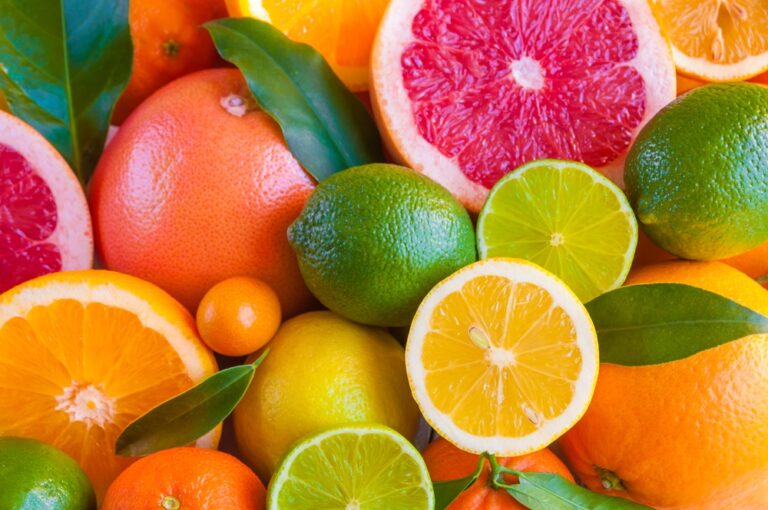
Citrus as a category is huge in sales, volume and the sheer scope of variations available, from oranges, mandarins, lemons, limes and grapefruit, through to newer varieties, such as Murcotts and Cara Caras. It also represents big money, with total U.S. orange sales estimated at $1.2 billion in 2022 and mandarins at $1.9 billion for the same year, according to the International Fresh Produce Association.
But aside from the sheer weight of sales, what are the factors that continue to make citrus such a significant category within produce? “What makes citrus much more special than it was even when I started is today you have citrus year-round,” says Sotomayor-Kirk. “You can have a clementine in the winter or the summer when before only domestic products were being grown. With new technology in shipping and production, and the fact that growers are becoming better at their craft, we can supply a retailer year-round and that makes it very special.
“And also it’s good quality year-round. California produces great citrus, and today we are afforded incredible citrus from other countries, and that makes it a special commodity.”
For Bianca Kaprielian, co-owner and chief executive of Reedley, CA-based Fruit World, it is citrus’ sheer diversity that makes it such a special category. “There’s just so much variety within the citrus space that helps keep customers interested,” she says.
“Another thing that’s great is that although citrus is perishable, it’s not highly perishable. It gives retailers and customers a little more flexibility – you don’t have to eat it straight away and retailers have space to try new things.”
Todd LaForest, co-founder and president of Bakersfield, CA-based produce marketer Molly’s Grape & Citrus Company, calls citrus a “nutritional powerhouse,” which offers a vibrant flavor and versatility in retail and foodservice.
“It plays a crucial role in juicing and culinary applications, and its natural vitamin C content, antioxidants, and immune-boosting properties align perfectly with today’s health-conscious consumers while still being great tasting,” he says.
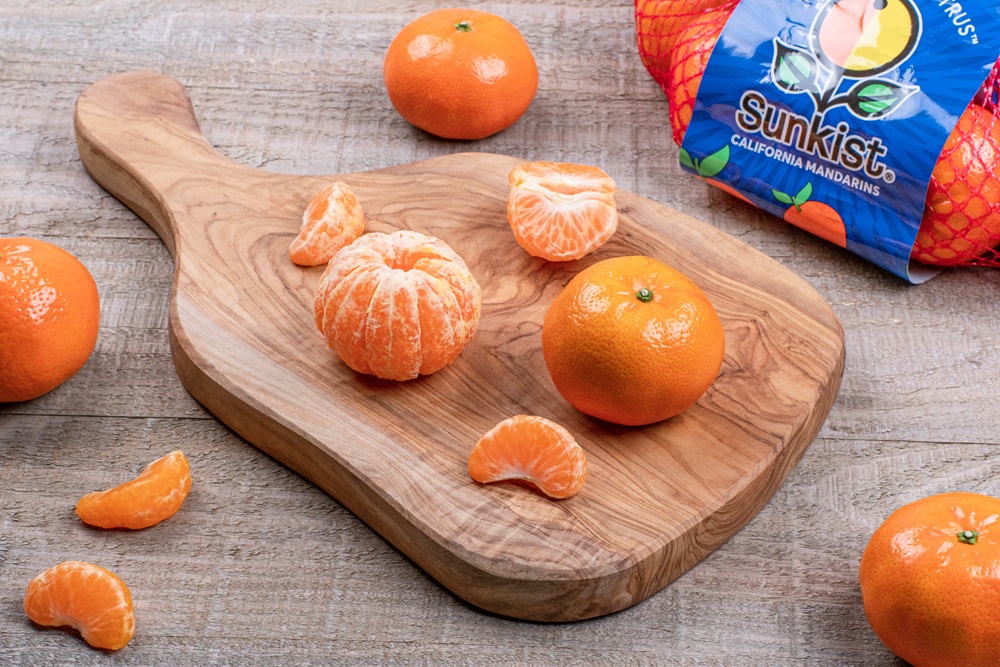
Monique Mueller, director of communications at Bee Sweet Citrus in Fowler, CA, agrees, describing citrus as “incredibly versatile and nutritious,” making it an easy choice for shoppers. “Families can turn to our varieties for a healthy snack, while chefs and mixologists can rely on other varieties for upscale entrées, beverages and more,” she says.
For Cassie Howard, senior director of category management and marketing at Valencia, CA-headquartered Sunkist Growers, citrus’ versatility and variety of flavors are key to the product’s appeal, allowing customers to find a favorite for every occasion. “Citrus ranks among one of the top fruit categories in the U.S., and during the winter season is a staple for consumers and retailers,” she says.
Similarly, Zak Laffite, president of Delano, CA-headquartered Wonderful Citrus, says that citrus’ enduring appeal is a result not just of its status as a fruit staple, but also its presence across a wide range of categories. “You have flexibility ranging from mandarins, which are easy-to-eat and portable, all the way to limes, which are more of an ingredient, and then you have new entrants like Dekopons and seedless lemons,” he says.